


Metropolitan of Tallinn and All Estonia Cornelius (secular name — Vyacheslav Vladimirovich Yakovs) was born in 1924 in Tallinn. His life path was closely connected from the very beginning with the fate of the Russian Orthodox Church and the complex historical events of the 20th century.
The father of the future hierarch, Vasily Vasilyevich Yakovs, came from a noble family and was a professional military officer who rose to the rank of colonel in the White Army. After the revolution, he found himself in Estonia with the retreating troops of General Yudenich. The family’s roots traced back to St. Petersburg, where their home was located, as well as the family burial plot at Novodevichy Cemetery. The grandfather of the hierarch, Major General Vasily Khristianovich, like many family members, rests there as well. His mother, Tatyana Leonidovna, came from the well-known merchant family of Epinatyevs — respected residents of Reval who belonged to the hereditary honorary citizens of the city and were parishioners of St. Nicholas Church.
At baptism, the infant was given the name Vyacheslav — in honor of the holy Prince Vyacheslav of the Czechs. His childhood years were spent in a small school at the House of the Russian Child. The educational institution was located in the building of the former Kazan parish school and was distinguished by its intimate atmosphere: few students, close communication, and special attention to spiritual upbringing. The school was headed by Tatyana Evgenyevna Dezen — an active member of the Russian Student Christian Movement. She sought to instill in her pupils deep faith and spiritual fortitude. Later, during interrogations by the NKVD, she openly stated that all her activities were aimed at affirming Christian values and opposing materialist ideology. Her tragic fate became a testament to the sincerity of her convictions and had a strong influence on her students.
The school was located near the Kazan Church, where Vyacheslav’s church path began. He served at divine services, learned church reading, singing, and bell ringing. Gradually, his participation in the life of the Church deepened, and soon he became a subdeacon to Bishop Paul of Narva. Clergymen who served in Tallinn during those years played a significant role in his spiritual formation: Archpriest John Bogoyavlensky, subsequently Bishop Isidor, Priest Mikhail Ridiger, and Archpriest Valery Povedsky.
In 1945, Vyacheslav accompanied Archbishop Paul of Tallinn to the Local Council of the Russian Orthodox Church and the enthronement of Patriarch Alexy I. This event made a deep impression on him: despite the difficult times, he felt the greatness and inner strength of the Church.
On July 15 of the same year, he married Tatyana Petrovna Solovyova, a graduate of an art school. Soon, on the Feast of the Transfiguration of the Lord, he was ordained a deacon, and several years later — a priest. He was assigned to serve in Haapsalu, at the parish of St. Mary Magdalene. This parish was difficult: small, poor, uniting Russians and Estonians. The priest had to not only perform services in two languages but also engage in household work — repairing the building, improving the church, restoring utensils. It was here that he gained important pastoral experience.
In 1951, due to his wife’s illness, the family was forced to move to Vologda. This region had long been famous for its spiritual life and was called the “Northern Thebaid.” Father Vyacheslav became a cleric of the cathedral church and actively served in conditions where only a few functioning parishes remained in the entire diocese. He had to travel a lot, often on foot, to care for the faithful.
The Yakovs family home became a center of attraction for youth. Here they discussed not only spiritual issues but also literature, art, and music. Their home housed a rich library brought from Estonia. Books and newspaper clippings were freely given to all who wished, which subsequently attracted the attention of state security agencies.
On February 27, 1957, Father Vyacheslav was arrested by KGB officers. He was accused of anti-Soviet agitation based on the content of books and conversations with people. The investigation was accompanied by numerous interrogations of both the priest himself and his acquaintances. In the end, the court found him guilty and sentenced him to ten years of imprisonment. Later, the term was reduced to five years thanks to the efforts of a lawyer.
He served his sentence in the Mordovian camps. Although the conditions were no longer as harsh as in previous years, imprisonment remained a severe trial. Nevertheless, he maintained spiritual balance and faith.
Released in 1960, he returned to Tallinn and was appointed rector of the Church of St. John the Baptist. The church was in a deplorable state and required serious repairs. Thanks to the labors of the rector and the help of parishioners, the church was gradually restored. However, soon several arsons occurred, causing severe destruction. In one of the fires, almost all the interior decoration burned down, but the icon of the “Joy of All Who Sorrow” miraculously survived. Despite the difficulties, the church was restored again thanks to the donations of believers and the help of monasteries.
In 1974, Father Vyacheslav experienced a heavy loss — his wife passed away, whose health had been undermined during the war.
A new stage of his life began in 1990. After the election of Patriarch Alexy II, he took monastic vows with the name Cornelius at the Pskov-Pechersky Monastery. Soon he was consecrated Bishop of Tallinn.
His episcopal service came during the most difficult period of the collapse of the Soviet Union and the formation of independent Estonia. At this time, serious disagreements arose in the Church, but thanks to the wisdom and firmness of the hierarch, a significant part of the parishes maintained unity with the Moscow Patriarchate. In 2002, the charter of the Estonian Orthodox Church of the Moscow Patriarchate was officially registered.
In 1995, he was elevated to the rank of Archbishop, and in 2000 — to the rank of Metropolitan. During the years of his archpastoral service, new churches were built, church life was established and strengthened, Sunday schools for children and adults were opened.
By his blessing, in 1999, the first pilgrimage and educational center Andcross was created, becoming an important spiritual center of Orthodox enlightenment.
He showed special love and care for children: he organized summer camps, cared for their spiritual upbringing, and often accompanied them on trips himself, sharing the journey and the joy of communication with them.
Even in old age, Metropolitan Cornelius did not abandon his prayer rule and continued to actively participate in the life of the Church. His concentrated prayer during divine services made a deep impression on all who had the opportunity to serve with him.
Until his very last day, he remained at his post. Shortly before his death, he discussed church matters with members of the Synod, continuing to bear responsibility for his entrusted flock.
Thus ended the earthly path of one of the outstanding hierarchs of the Russian Orthodox Church — a pastor who went through trials, preserved his faith, and devoted his entire life to serving God and people.
He reposed in the Lord on April 19, 2018, leaving a significant contribution to the development of Orthodoxy in Estonia.
May Heavenly Kingdom and eternal memory be to Metropolitan Cornelius.
June 19, 1924 — born in Tallinn
1948 — ordained priest
1957 — arrest and conviction
1957–1960s — imprisonment in camps
after release — return to service
1990 — consecrated bishop
1992 — appointed Metropolitan of Tallinn and All Estonia
April 19, 2018 — fell asleep in the Lord
By his blessing, the first pilgrimage and educational center Andcross was created, becoming an important focal point of Orthodox enlightenment.
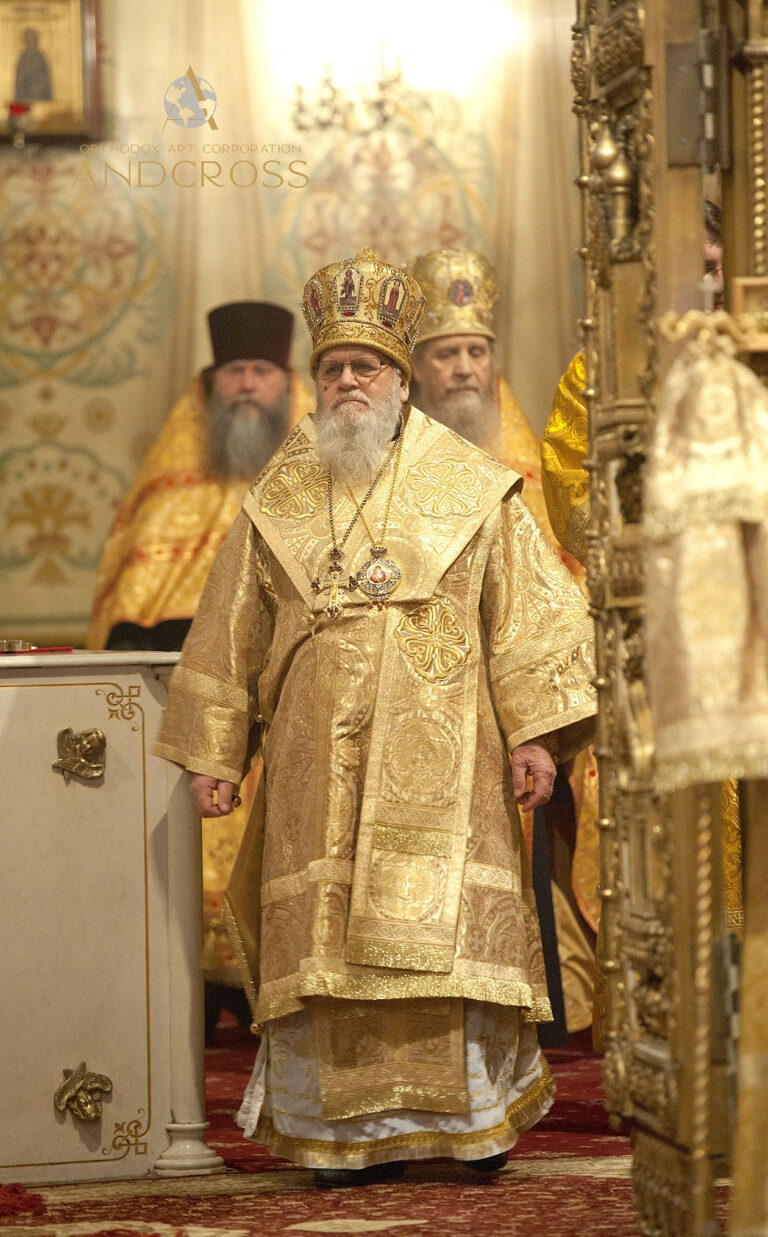
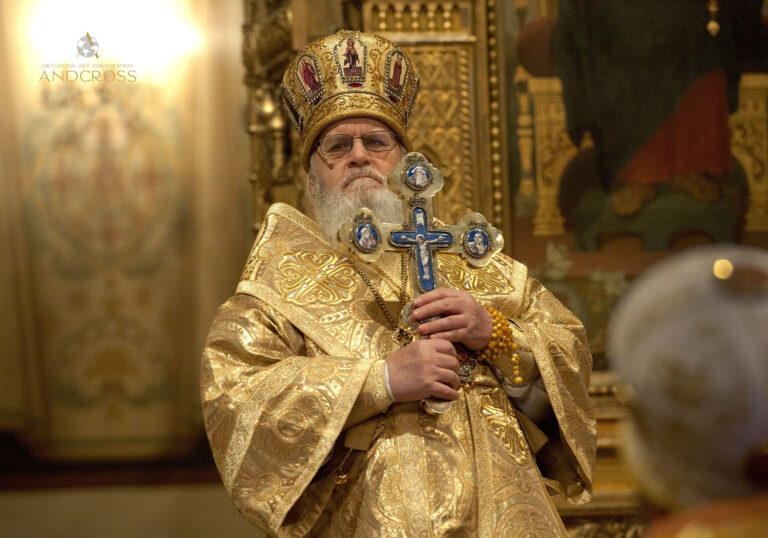
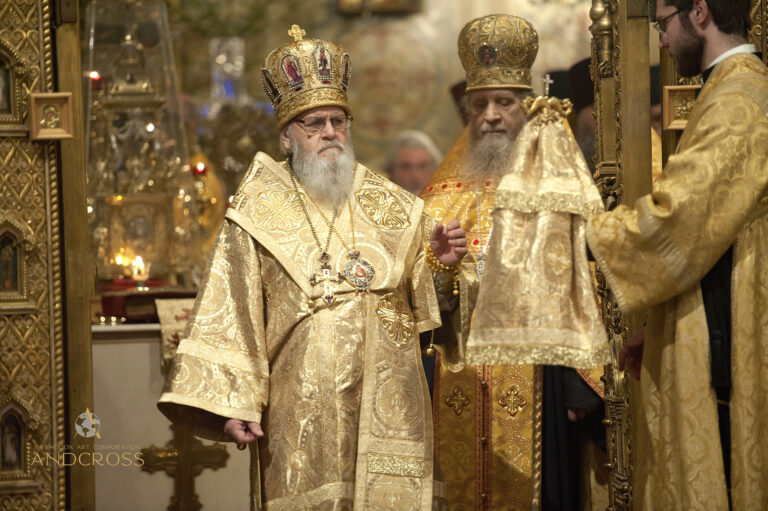
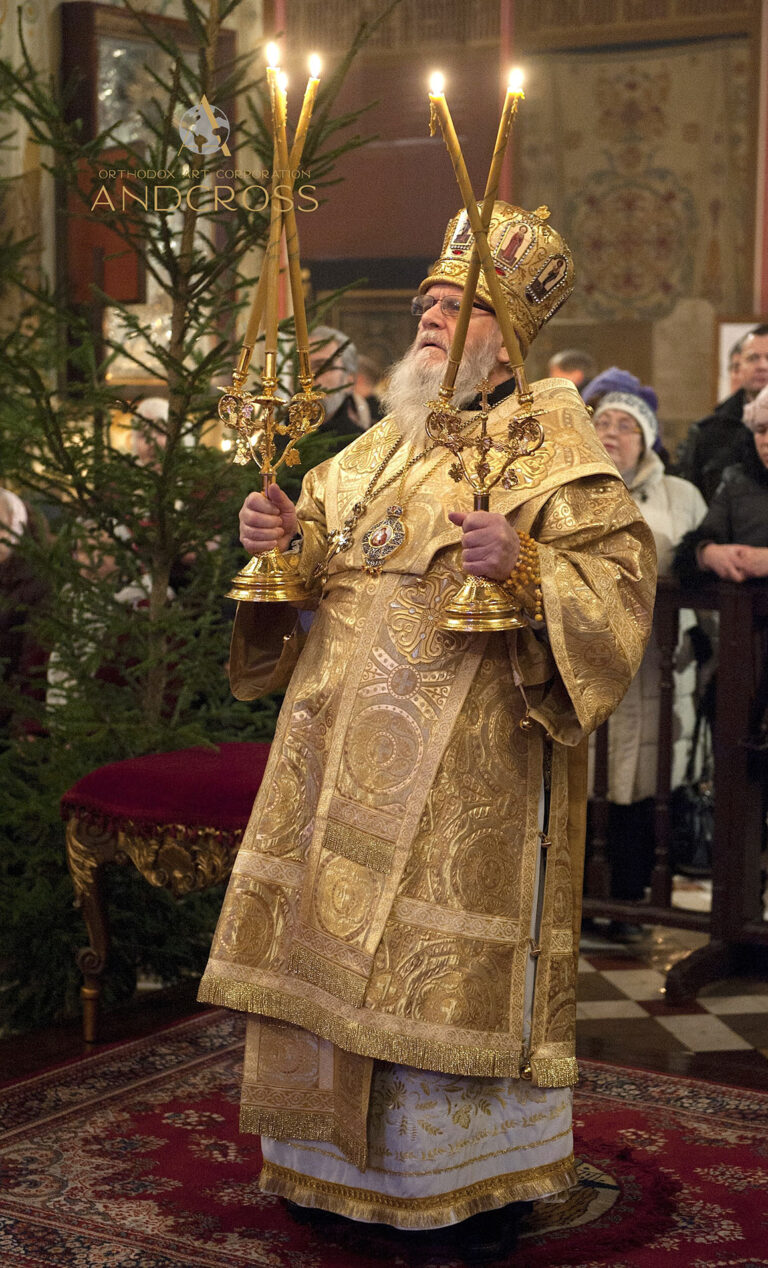
Festive Christmas service at the Cathedral of St. Alexander Nevsky (Tallinn, 2012)