
Healing of Soul and Body programme
A pilgrimage to the shrines of Georgia with rest and treatment in Borjomi.
About the programme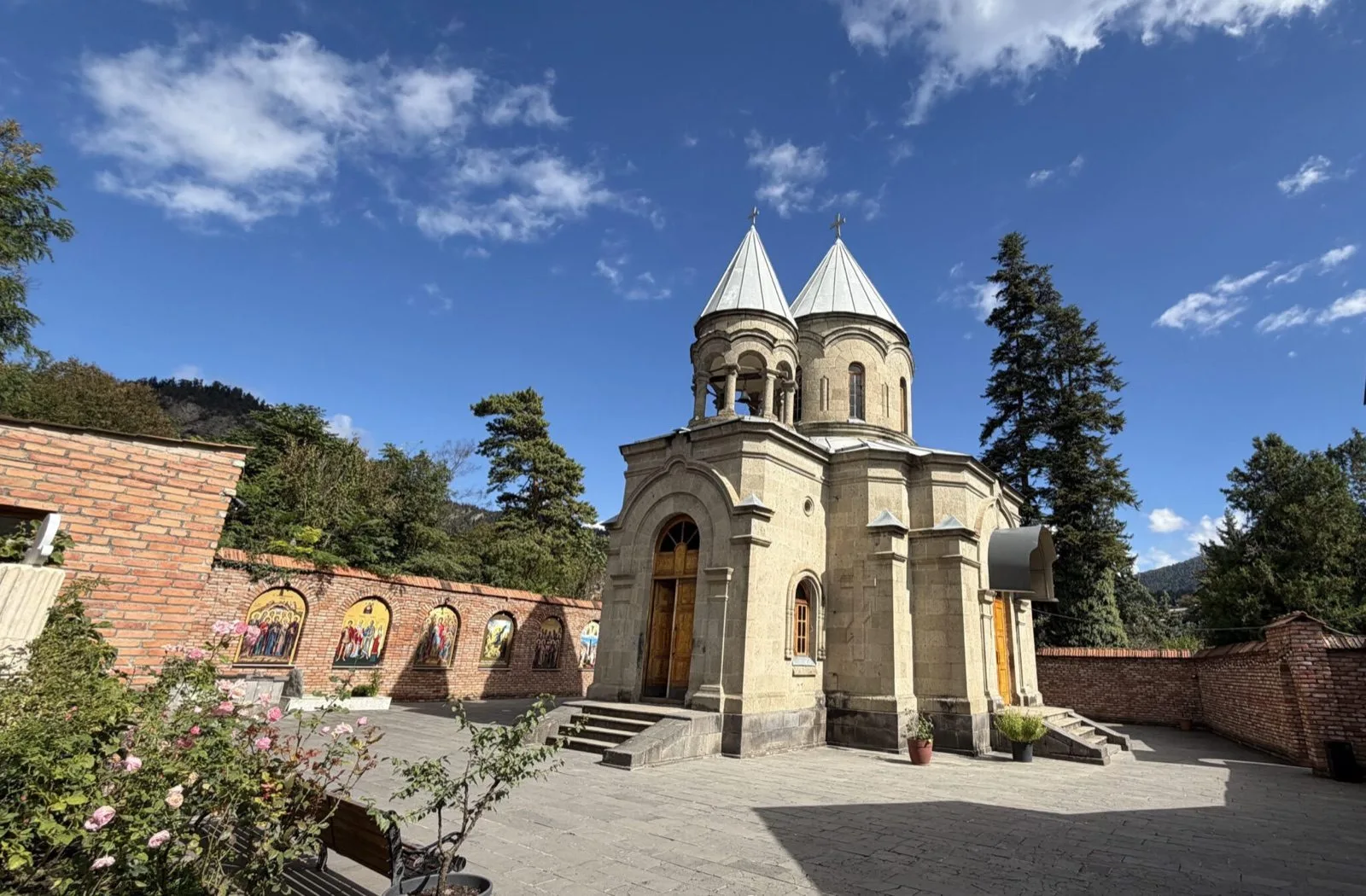
A convent in the Borjomi Gorge, an ancient ossuary and scientific research: a shrine of the Healing of Soul and Body programme.

Among the mountains, forests and green valleys of the Borjomi Gorge stands a special Orthodox shrine: the Convent of the Nativity of the Most Holy Theotokos.
For a pilgrim this region offers more than the beauty of a mountain resort: centuries of Christian history, ancient monastic traditions and the memory of people who devoted their lives to serving God. Here the spiritual heritage of the past meets the living prayer of today.
The monastery is dedicated to the Nativity of the Most Holy Theotokos. For an Orthodox Christian this feast is full of joy and hope: the birth of the Most Pure Virgin Mary was the beginning of God’s plan for the salvation of mankind.
The dedication to the Mother of God reminds pilgrims of her maternal intercession, mercy and prayerful help to all who turn to her with sincere faith. Here one wants to pause, leave everyday cares outside the walls, pray for loved ones and thank the Lord for His mercies.

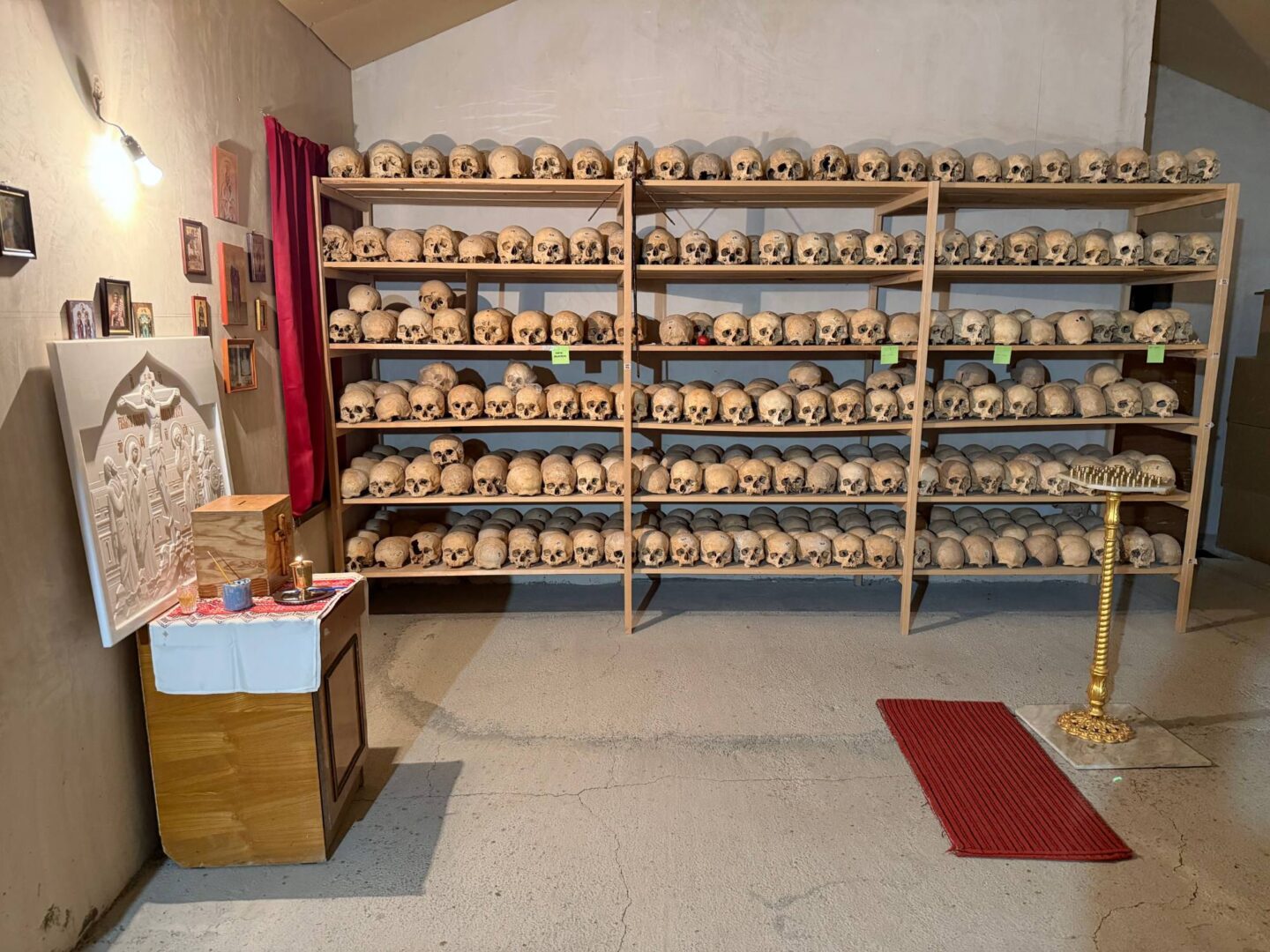
A special place in the heritage of the monastery belongs to the ossuary, connected with archaeological research of ancient burials in the Borjomi region. While studying the medieval church complex of Beris Saqdrebi, archaeologists found an underground burial chamber and numerous human remains, among them 619 skulls. Some of the remains bear traces of injuries, which makes them especially important for studying the tragic pages of the history of this place.
The remains were given into the keeping of the Nativity of the Most Holy Theotokos Monastery. For pilgrims this place is a reminder of the fragility of human life, of the trials that befell Christians and of the importance of remembering the departed in prayer.
Over the centuries Georgian monasteries went through invasions, devastation, wars and persecution, and many generations of Christians kept their faith despite suffering and danger. A visit to the ossuary leads one to reflect on the steadfastness of believers, the feat of monasticism and the people who lived on this land many centuries ago.
Specialists confirm that there are martyred monks among those buried here. But it cannot be claimed that all of the buried were monks or that all of them suffered a martyr’s death. A commission of specialists from Italy is now working at the monastery, and we see its work on each of our trips. We will wait for its conclusion. We consider it important to treat both Orthodox tradition and historical accuracy with care.
We think it important to keep the memory of these events and to share reliable evidence with pilgrims: the results of the excavations, the conclusions of specialists and the features of the medieval burial complex.
In 2020 archaeologists excavated the ancient complex of Beris Saqdrebi near Borjomi, long known as the “Church of the Monks”. Under the church they found a sealed crypt with human remains, including 619 skulls. Today the remains are kept at the Nativity of the Most Holy Theotokos Monastery, where anthropologists from Georgia and Italy study them.
The Beris Saqdrebi complex stands 3 km east of the village of Kvibisi, on the right bank of the Kvibisistskali river. The excavations were carried out by G. Laghiashvili and G. Mtskeradze before the restoration of the church. The monastery attached to it was active from the 10th to the 16th or 17th century.
The crypt under the church was closed with stone slabs exactly as it had been sealed in ancient times. Stone shelves ran along the walls; the bodies of the departed were laid on them, and over time the bones were moved down. Scientists counted 619 skulls, and the number will grow: some boxes of bones have not yet been sorted. It is the largest monastic burial of its kind in Georgia.
More than 90 percent of the skulls studied are male. This agrees with tradition: the monks of the neighbouring monastery were buried here.
About one skull in five shows traces of injuries, many of them caused by weapons, both blunt and sharp. Scientists consider that they most probably date from the invasions of Timur and of Shah Tahmasp I into the Borjomi Gorge. Radiocarbon analysis should confirm this.
The tradition of the nearby Green Monastery tells of the same events. In the 16th century Shah Tahmasp I devastated the monastery and executed the monks who lived there. Since then, according to tradition, the stones in the stream by the monastery have been red with the blood of the monks; one such stone lies in the church by the icon of St George.
The average age of the departed is about 40, and more than a third of them were over 45.
The study: L. Bitadze, Sh. Laliashvili, G. Mtskeradze, G. Laghiashvili, R. Cameriere et al., “A Comparison between Anthropological and Forensic Methods of Age Estimation on a Middle Ages Human Sample from Beris Saqdrebi (Borjomi, Georgia)”. The work is supported by Ca’ Foscari University of Venice.
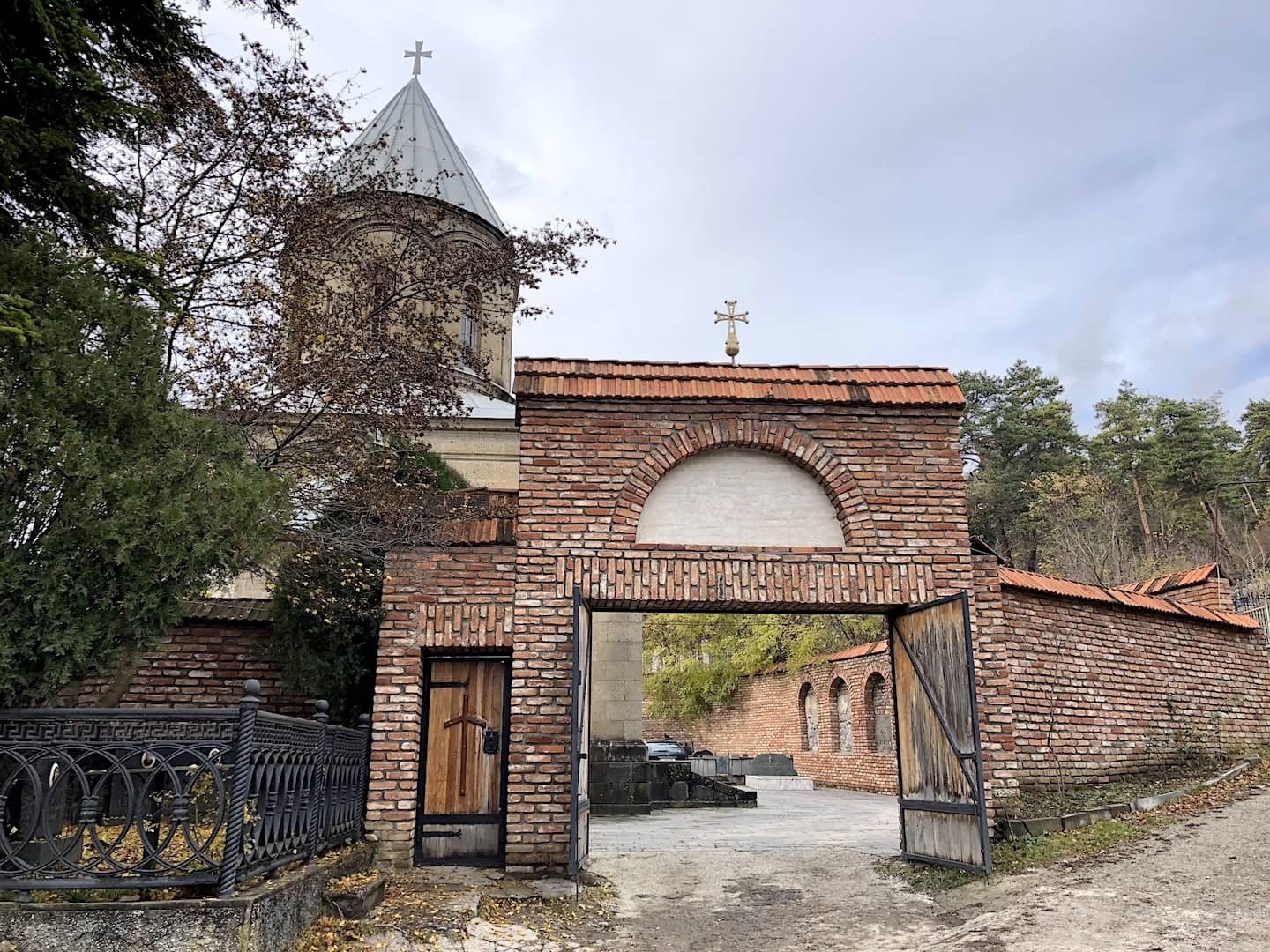
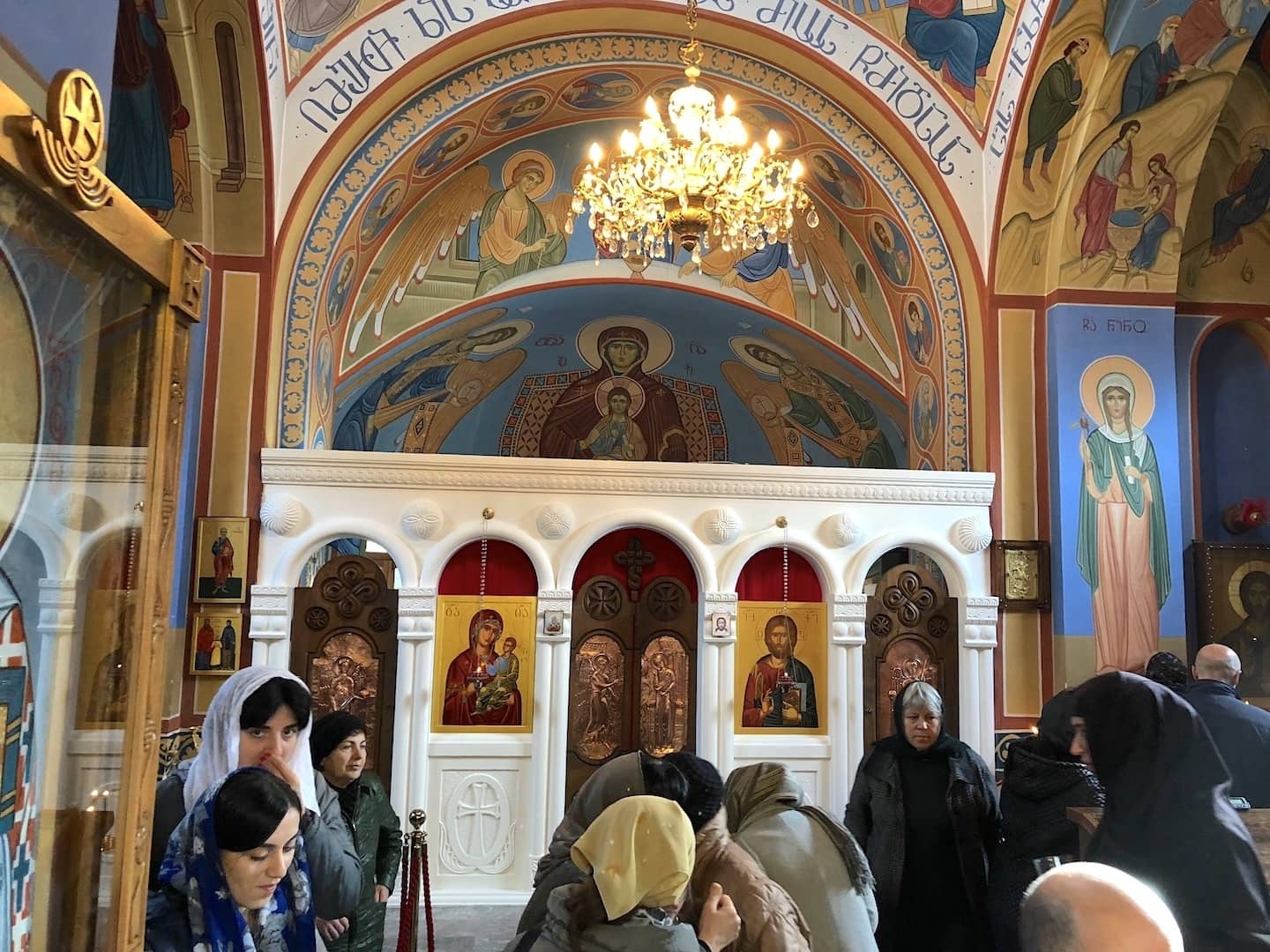
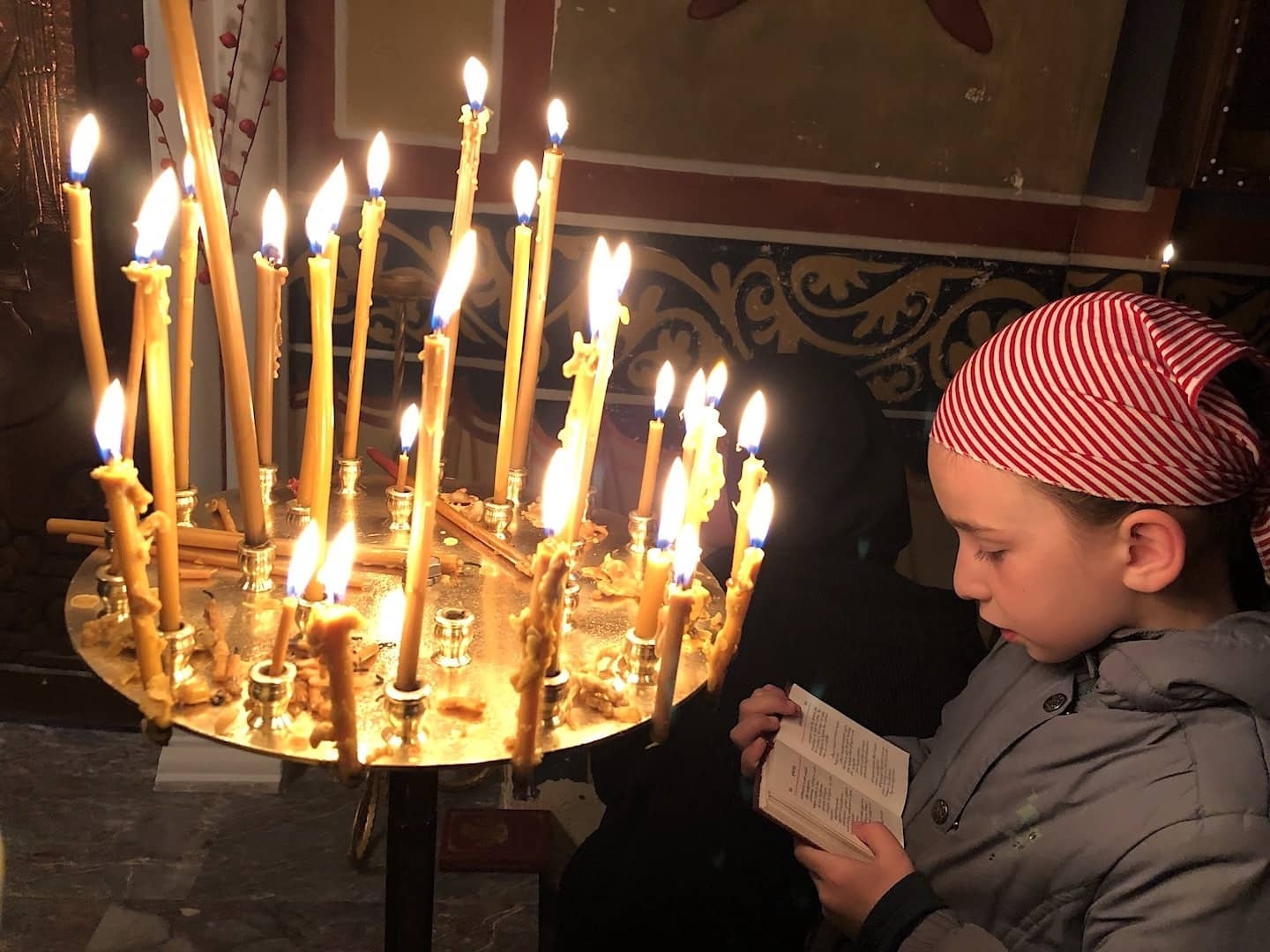
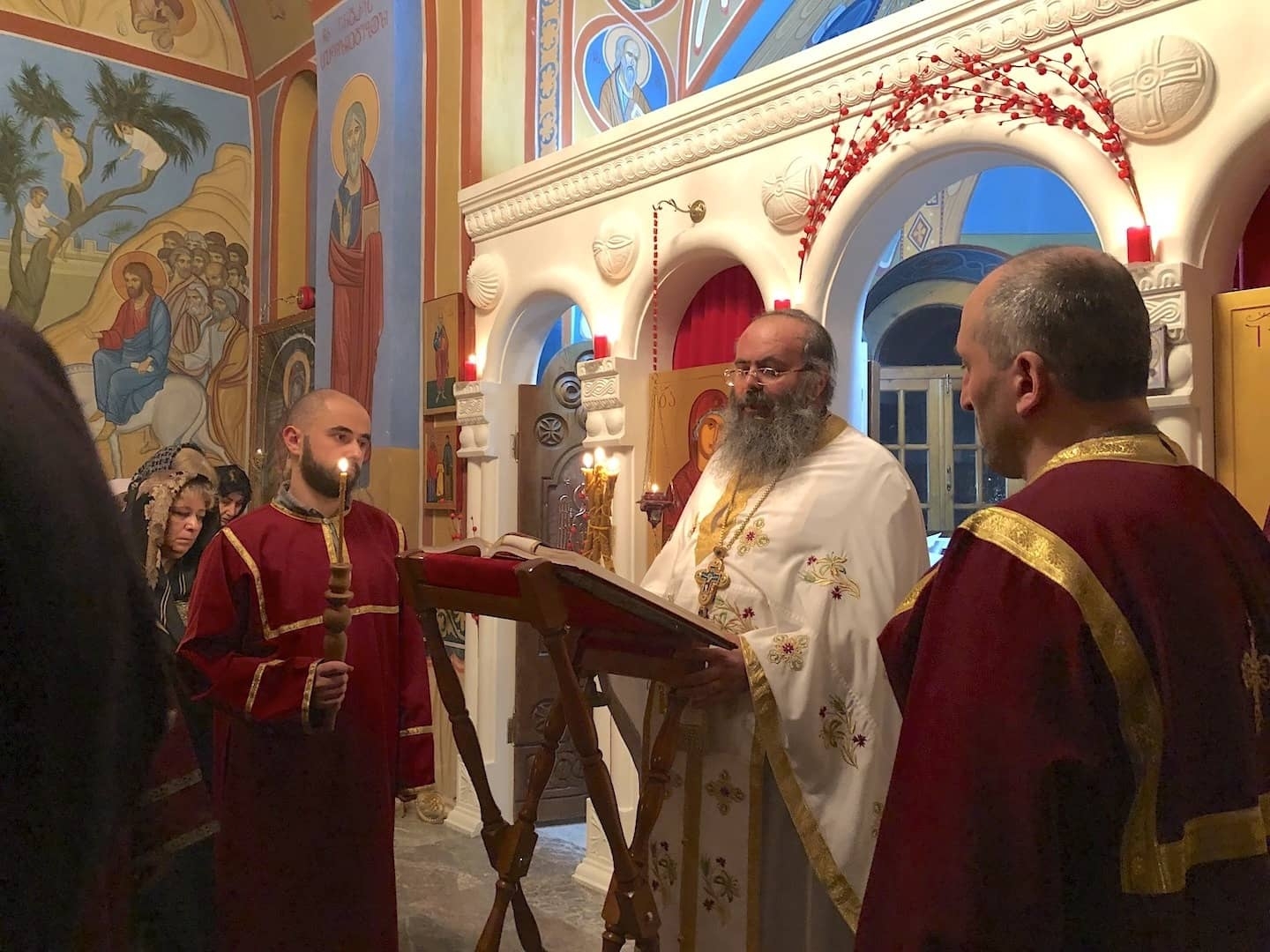
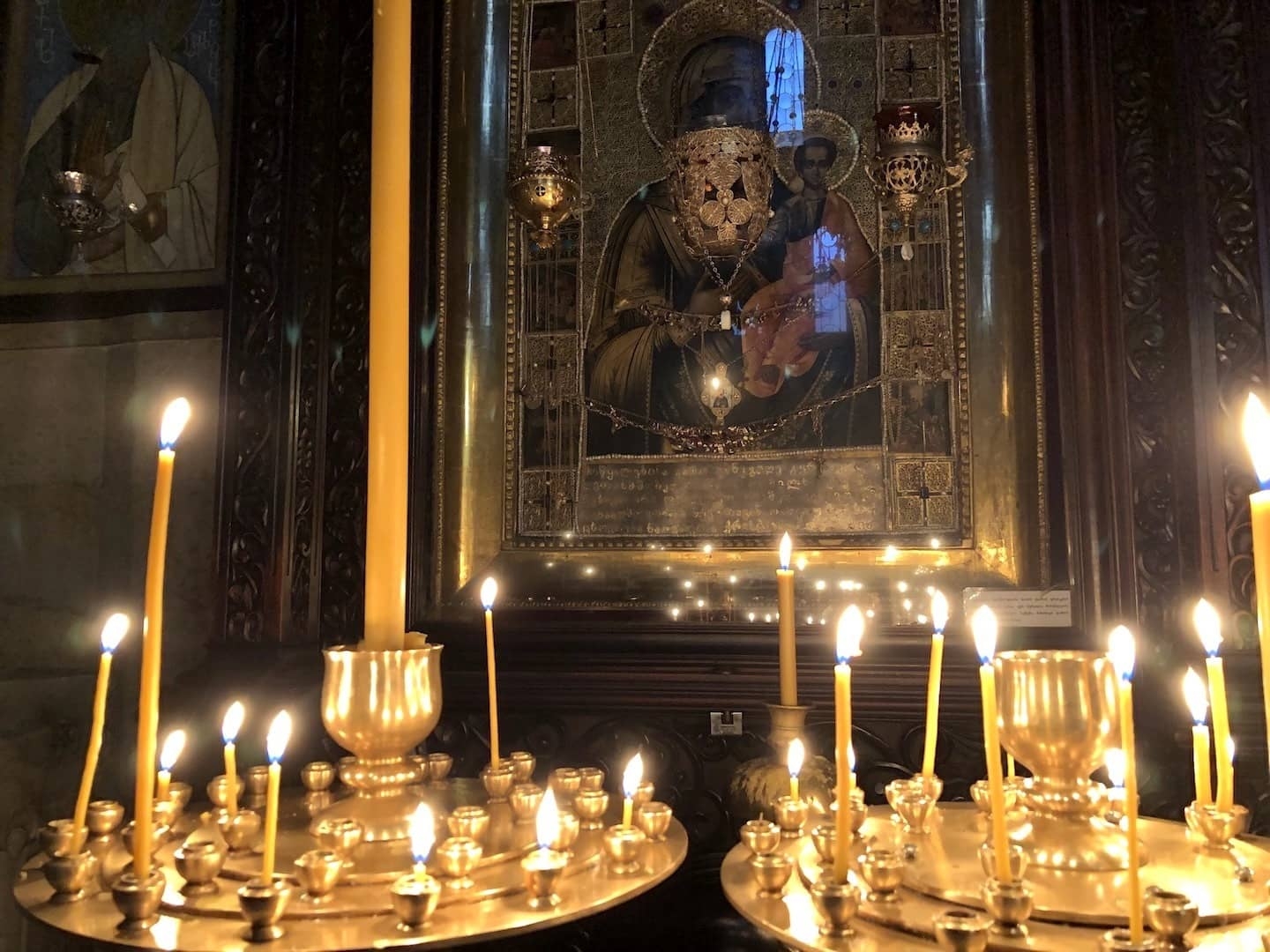
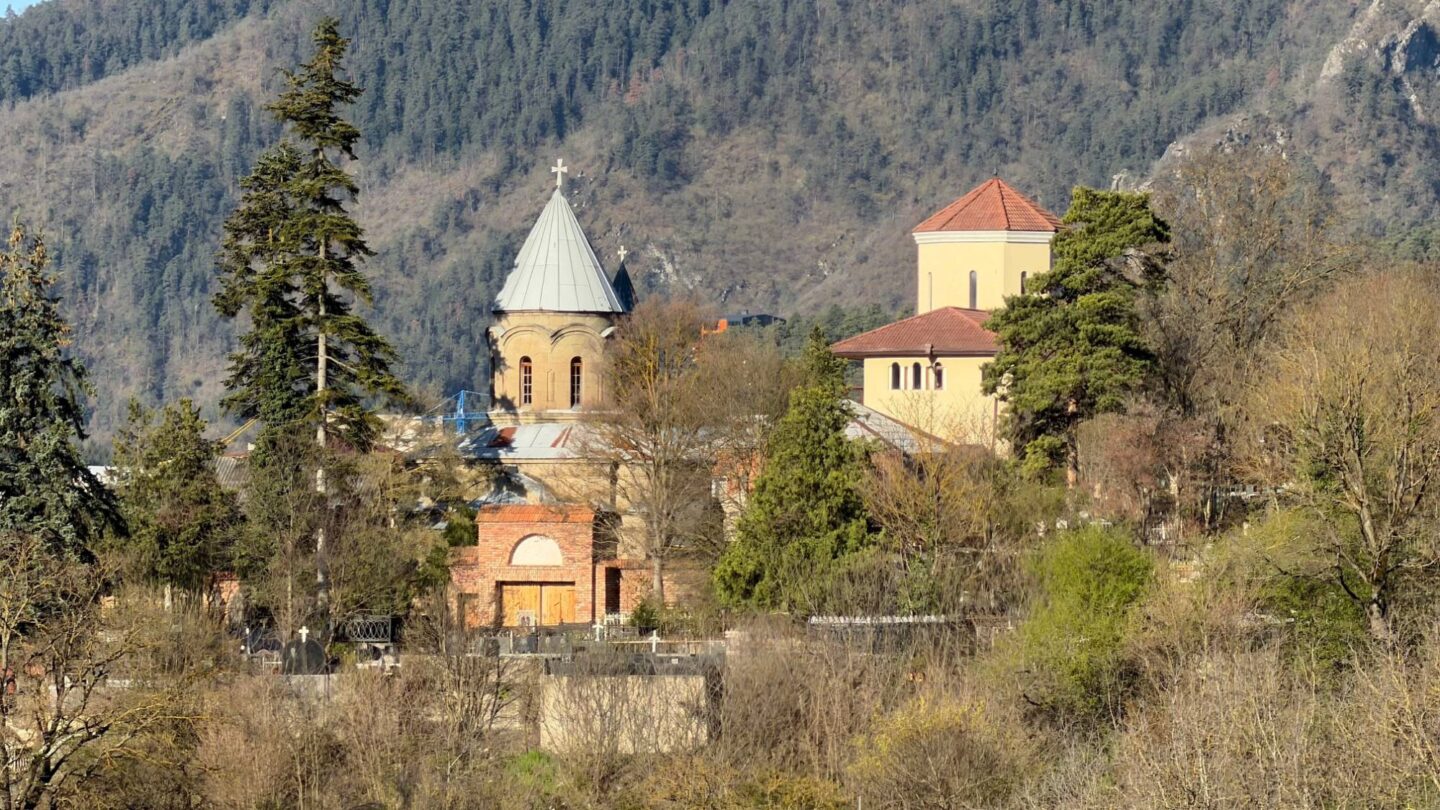
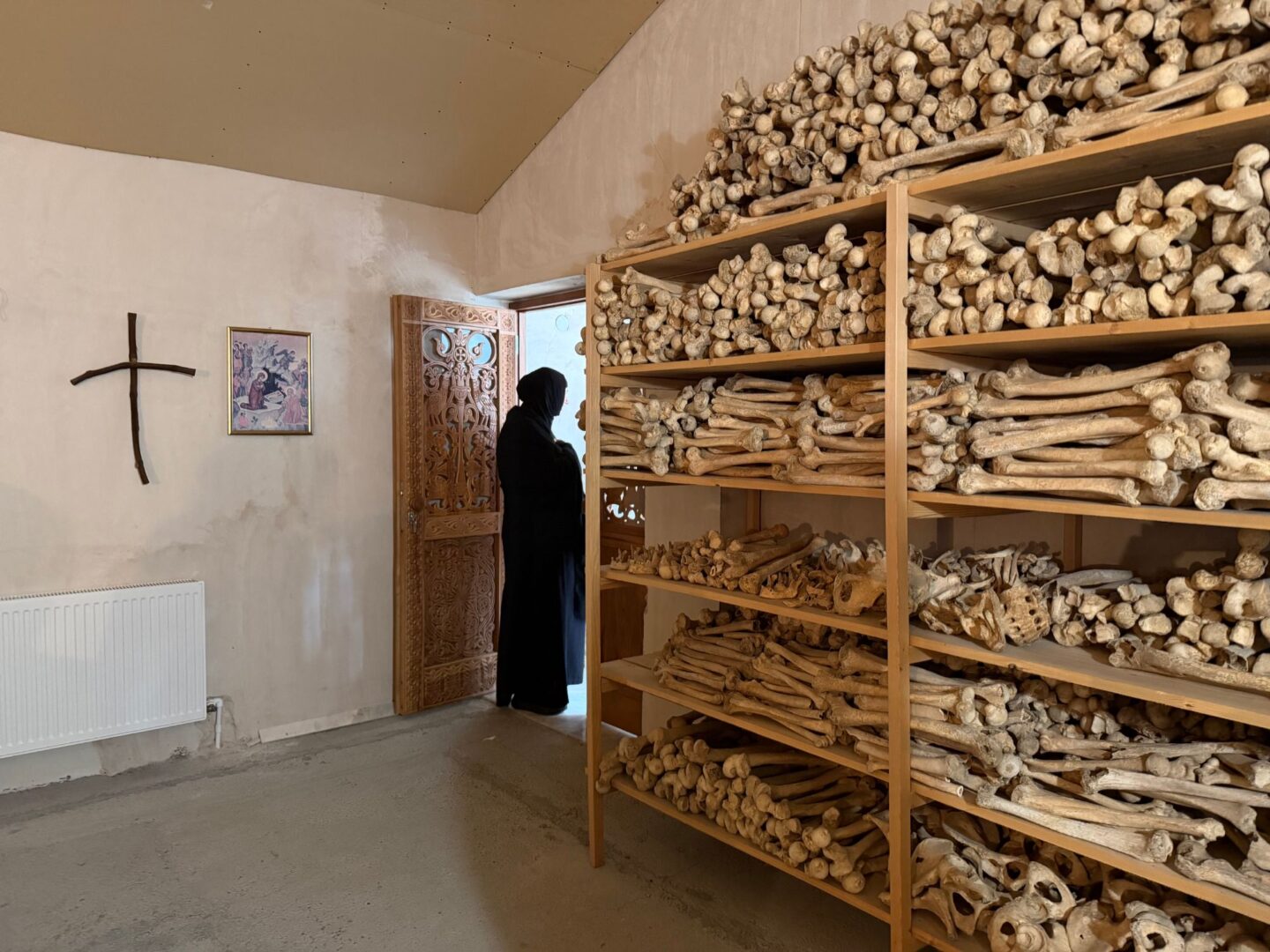
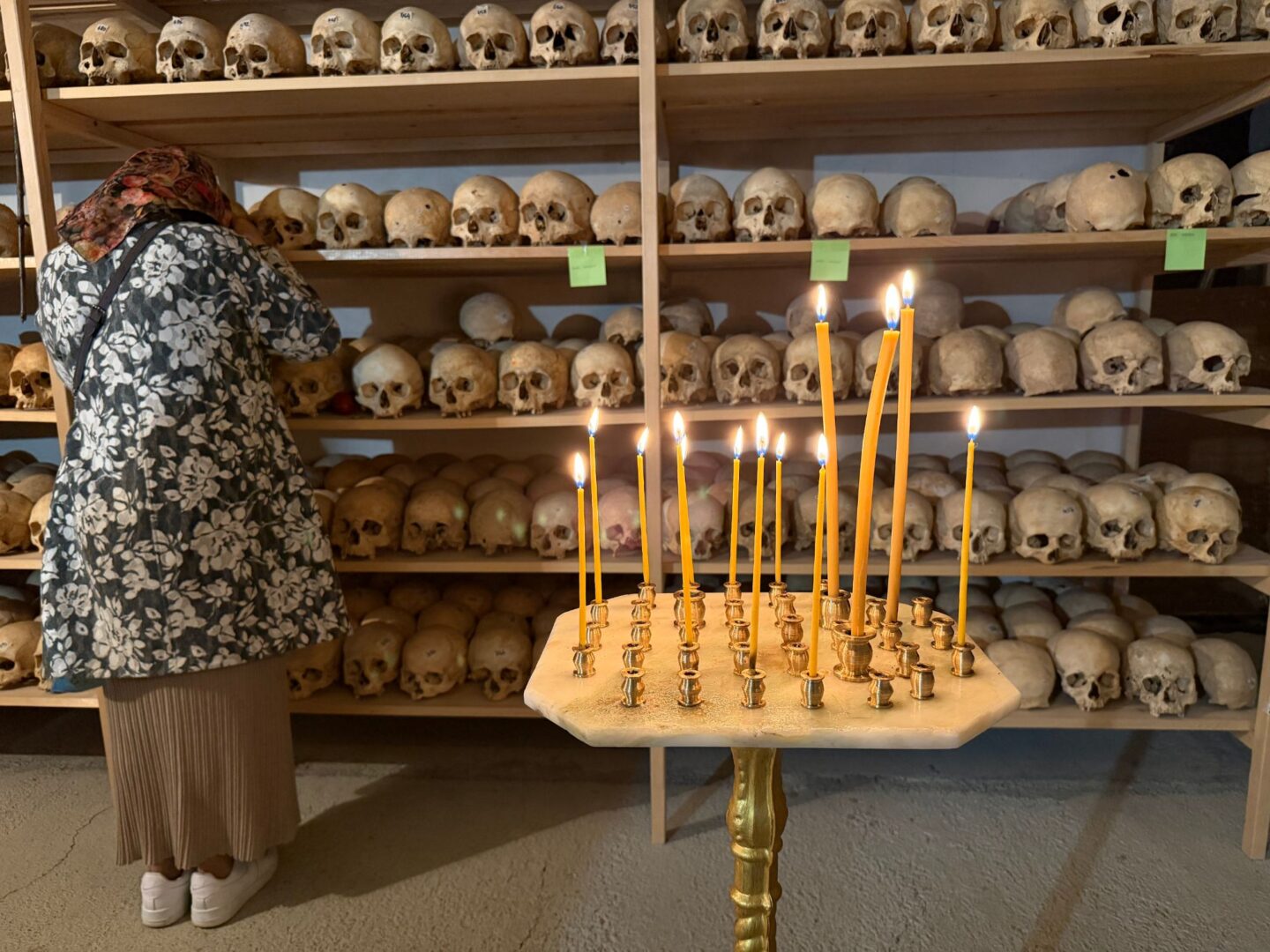
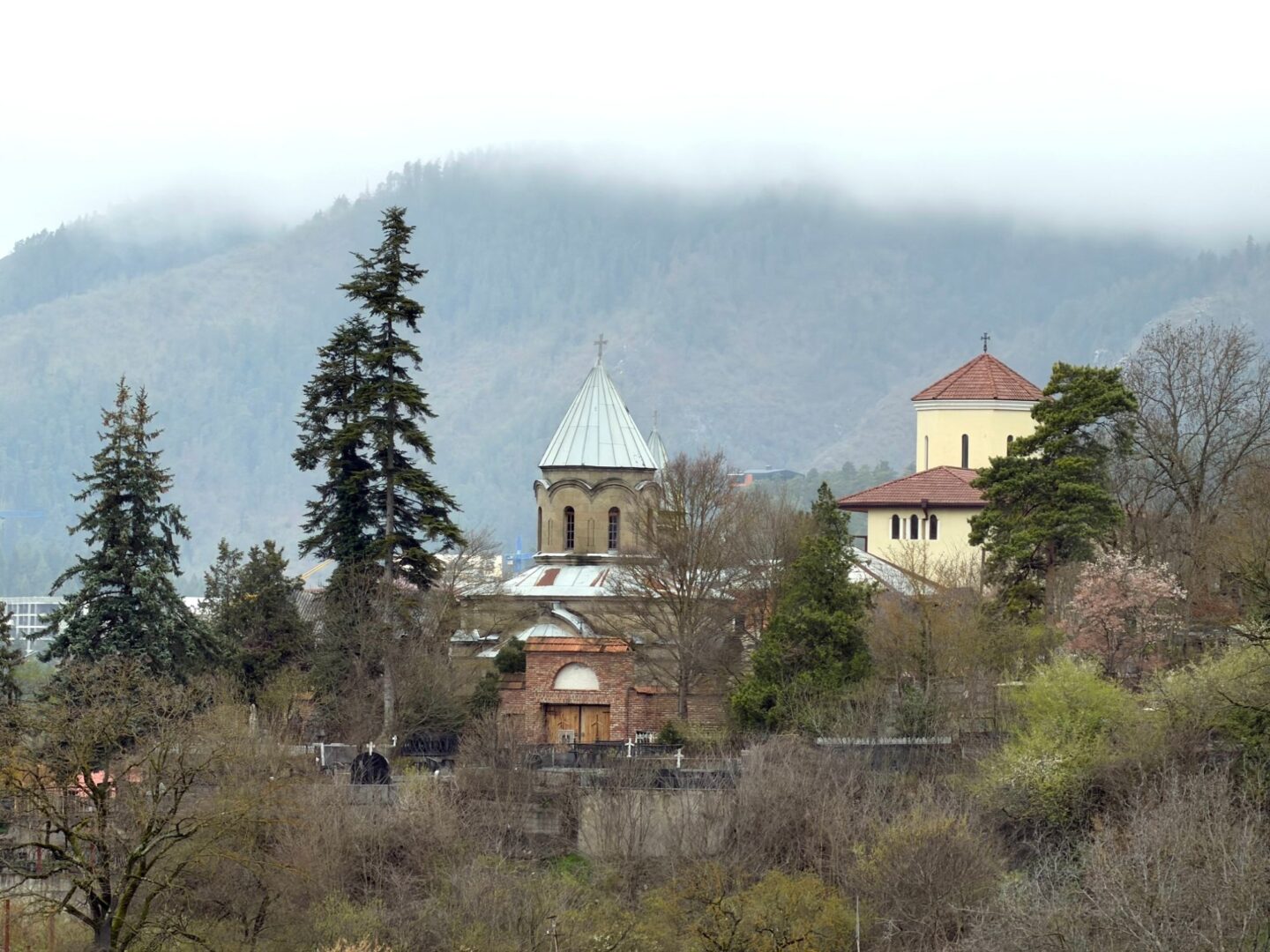

A visit to the Nativity of the Most Holy Theotokos Monastery holds a special place in the Healing of Soul and Body programme. Pilgrims learn the history of the monastery, pray to the Most Holy Theotokos and remember the departed.
When possible and in agreement with the monastery, pilgrims can attend services, go to confession and receive Holy Communion after due spiritual preparation. For many believers such moments of prayer become the most important part of the pilgrimage.
Here the beauty of God’s creation, ancient history and living Orthodox faith come together in a special atmosphere of reverence.
The Nativity of the Most Holy Theotokos Monastery is part of the Healing of Soul and Body pilgrimage.
Submit a prayer note for the living or the departed: we will pass it to the monastery.
A pilgrimage to the shrines of Georgia with rest and treatment in Borjomi.
About the programme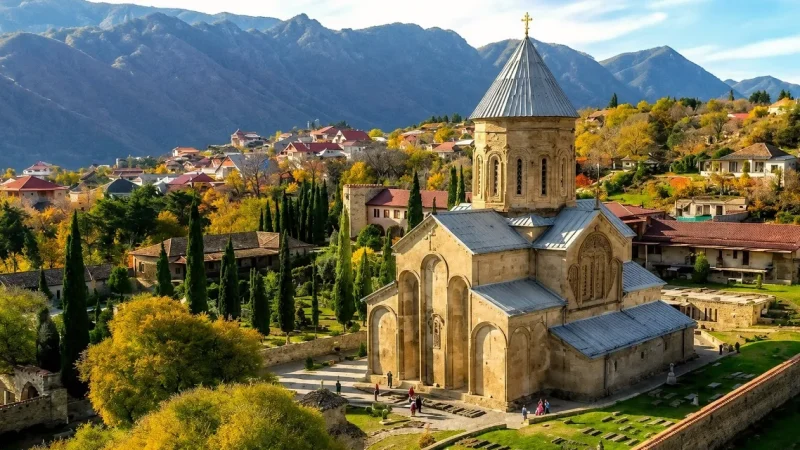
The relics of Venerable Gabriel and a meeting with Mother Paraskeva.
Read more

A health resort in central Borjomi: check-ups and mineral water treatment.
Read more